
Understanding IICSR: Corporate Social Responsibility Explained
- harshas2883
- Feb 23
- 3 min read
Corporate Social Responsibility (CSR) has become a cornerstone for businesses aiming to create positive social and environmental impact while maintaining profitability. In recent years, the role of organizations like the Indian Institute of Corporate Social Responsibility (IICSR) has been pivotal in shaping how companies approach CSR initiatives. This article explores the concept of CSR, the influence of IICSR, and how businesses can effectively integrate social responsibility into their core strategies.
Corporate Social Responsibility Explained: The Foundation of Sustainable Business
Corporate Social Responsibility refers to the ethical obligation of companies to contribute to societal goals beyond their financial interests. It involves initiatives that promote environmental sustainability, social equity, and economic development. CSR is not just about philanthropy; it is about embedding responsible practices into everyday business operations.
For example, a manufacturing company might reduce its carbon footprint by adopting renewable energy sources or implement fair labor practices to ensure worker welfare. These actions not only benefit society but also enhance the company’s reputation and long-term viability.
Key components of CSR include:
Environmental stewardship: Reducing waste, conserving resources, and minimizing pollution.
Social equity: Supporting community development, education, and health.
Economic responsibility: Ensuring fair trade, ethical sourcing, and transparent governance.
By focusing on these areas, companies can build trust with stakeholders and create shared value.

The Role of IICSR in Driving Corporate Social Responsibility
The Indian Institute of Corporate Social Responsibility (IICSR) plays a crucial role in promoting and guiding CSR activities across industries. It serves as a knowledge hub, offering training, certification, and consultancy services to organizations committed to responsible business practices.
IICSR helps companies understand the legal frameworks, best practices, and innovative approaches to CSR. It also facilitates partnerships between businesses, NGOs, and government bodies to maximize social impact.
For instance, through its training programs, IICSR equips CSR professionals with skills to design effective projects, measure outcomes, and report transparently. This professionalization of CSR ensures that initiatives are strategic and aligned with broader development goals.
Businesses looking to enhance their CSR efforts can benefit from engaging with iicsr to access resources and expert guidance tailored to their needs.

What is ESG Called Now?
Environmental, Social, and Governance (ESG) criteria have become a popular framework for evaluating corporate responsibility. However, the terminology and focus areas are evolving. Today, ESG is often integrated into broader sustainability and impact investing strategies.
Some organizations now refer to ESG as Sustainable Investing or Impact Investing, emphasizing measurable outcomes and long-term value creation. The shift reflects a growing recognition that environmental and social factors are integral to financial performance and risk management.
For example, investors increasingly demand transparency on how companies manage climate risks, labor practices, and board diversity. This evolution encourages businesses to adopt comprehensive sustainability reporting and align their operations with global standards such as the United Nations Sustainable Development Goals (SDGs).
Understanding these changes helps companies stay ahead in compliance and stakeholder expectations.
Practical Steps to Implement Effective Corporate Social Responsibility
Implementing CSR requires a structured approach that aligns with a company’s mission and stakeholder interests. Here are actionable recommendations for businesses aiming to strengthen their CSR programs:
Assess Impact Areas: Identify social and environmental issues relevant to your industry and community.
Set Clear Objectives: Define measurable goals that address these issues, such as reducing emissions by a certain percentage or supporting local education.
Engage Stakeholders: Collaborate with employees, customers, suppliers, and community members to ensure initiatives are inclusive and impactful.
Allocate Resources: Dedicate budget, personnel, and technology to support CSR activities effectively.
Monitor and Report: Use key performance indicators (KPIs) to track progress and communicate results transparently to stakeholders.
Continuous Improvement: Regularly review and refine CSR strategies based on feedback and changing circumstances.
For example, a retail company might launch a program to reduce plastic packaging, partner with local NGOs for community health drives, and publish annual sustainability reports to showcase achievements.
By following these steps, companies can create meaningful change while enhancing their brand value.
The Future of Corporate Social Responsibility and Its Growing Importance
As global challenges such as climate change, inequality, and resource scarcity intensify, CSR will continue to gain prominence. Businesses are expected to play a proactive role in addressing these issues, not only through compliance but through innovation and leadership.
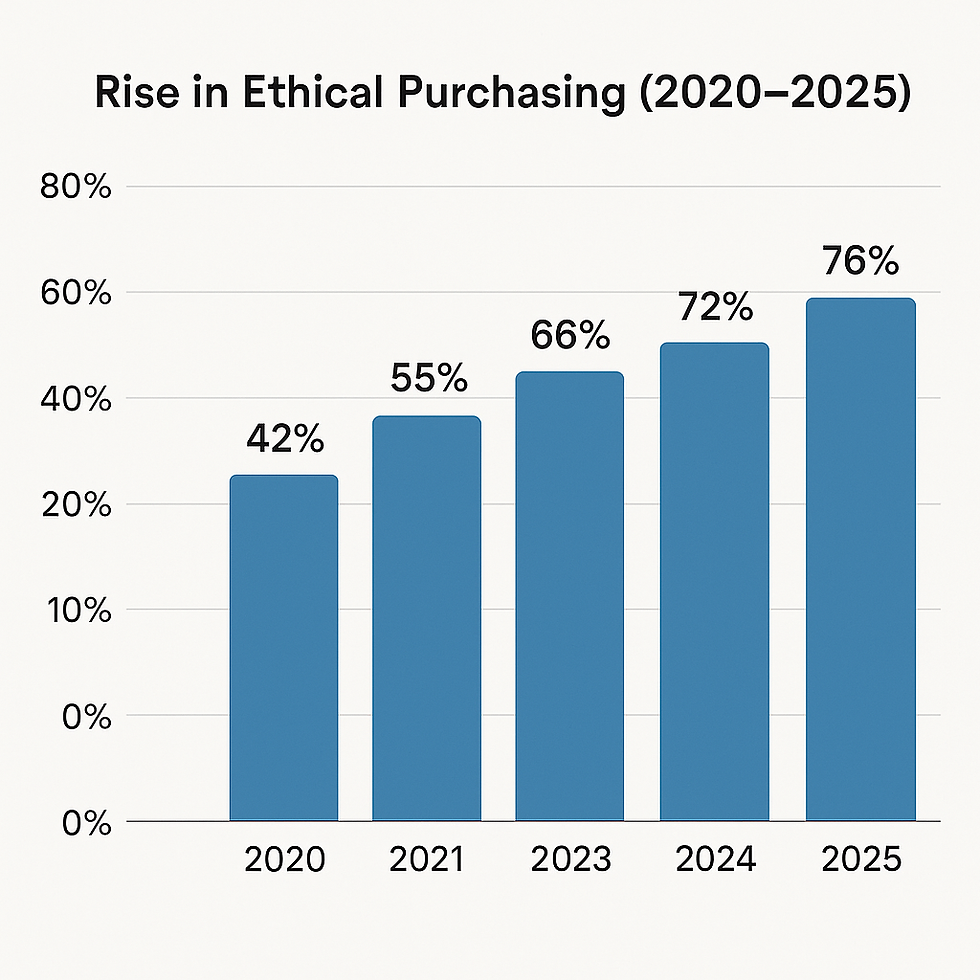
Technological advancements like data analytics and blockchain are enabling better tracking of CSR outcomes and supply chain transparency. Moreover, consumers and investors are increasingly favoring companies with strong social and environmental commitments.
Organizations like IICSR will remain vital in supporting this transition by providing expertise, fostering collaboration, and promoting ethical standards.
Ultimately, embracing CSR is not just a moral imperative but a strategic advantage that drives resilience and growth in a rapidly changing world. Companies that integrate social responsibility into their DNA will be better positioned to thrive and contribute to a sustainable future.


Comments